The Full Home Inspection: A Detailed Breakdown
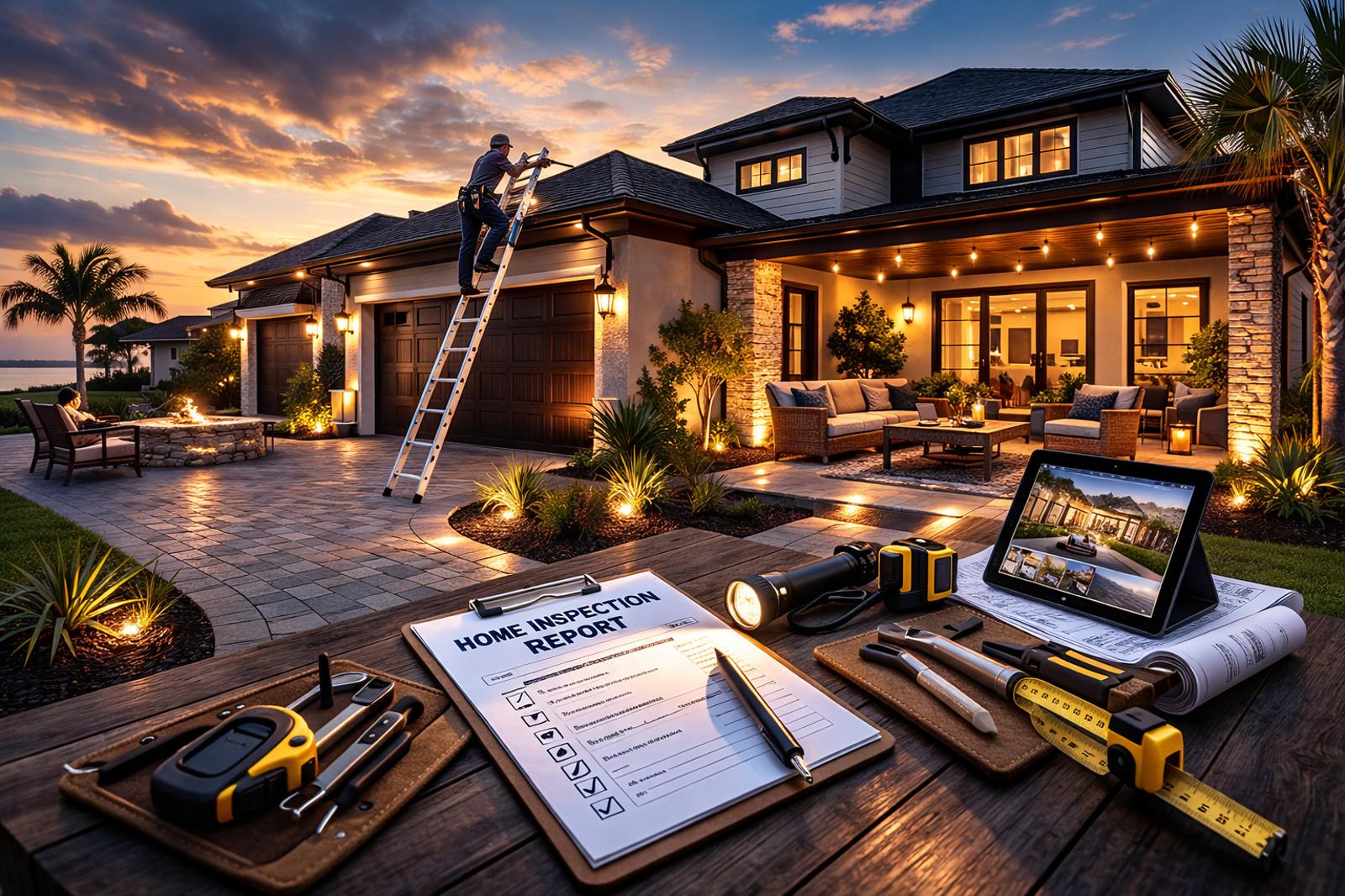
When a VA buyer orders a full home inspection in Fort Walton Beach, the inspector is conducting a comprehensive visual evaluation of the property’s major systems and structural components. While inspectors do not open walls or perform destructive testing, they examine every accessible and visible element of the home and document their findings in a detailed written report.
Inspection reports often group findings by importance: green for functioning systems, yellow for maintenance items, and red for safety concerns or defects that could impact a VA appraisal.Most inspection reports categorize findings in three general ways.
Roofing System
The inspector evaluates the condition of shingles or roofing material, flashing around penetrations and chimneys, visible signs of storm damage, soft spots, and evidence of active or past leaks. Gutters and downspouts are checked for proper attachment and drainage flow. Roof age is often noted when documentation or visible wear gives clues, since in Florida insurance markets the age of the roof can significantly affect insurability.
Attic Space
Inside the attic, inspectors check insulation levels, ventilation, visible framing, roof decking, and any signs of moisture intrusion. They look for staining, mold-like growth, proper air circulation, and signs of structural alterations. In a humid climate like Fort Walton Beach, attic ventilation plays a major role in preventing long-term moisture damage.
Exterior Structure and Site Conditions
The inspector examines siding materials, brick, stucco, trim, soffits, fascia boards, and visible portions of the foundation. They assess grading and drainage around the home to ensure water flows away from the structure. Driveways, walkways, patios, and decks are inspected for cracking, settlement, or safety hazards. Exterior doors and windows are tested for function and sealing.
Foundation and Structural Components
Visible structural elements are reviewed for cracks, movement patterns, or settlement indicators. Inspectors look for uneven floors, door frame separation, or stair-step cracking that could suggest structural shifting. Crawl spaces, when accessible, are checked for moisture, insulation issues, and framing condition.
Electrical System
The main breaker panel is opened and evaluated for proper grounding, secure wiring connections, and safe configuration. Inspectors check for double taps, outdated or recalled panel brands, exposed wiring, and improper modifications. A sample of outlets and light switches throughout the home are tested for functionality and grounding.
Plumbing System
Inspectors run sinks, tubs, showers, and toilets to check water pressure and drainage. Visible supply lines and drain lines are reviewed for leaks, corrosion, and material type. They look for signs of active leaks beneath sinks and around fixtures. The condition and approximate age of visible plumbing components are often noted.
Water Heater
The water heater is evaluated for proper installation, visible corrosion, leak evidence, temperature relief valve installation, and approximate age. In Florida’s humid coastal environment, rust and tank deterioration can occur more quickly, making this component particularly important.
HVAC System
The heating and cooling system is tested to confirm it is operating at the time of inspection. The outdoor condenser unit and the indoor air handler are both evaluated. Inspectors document visible condition, installation quality, and approximate age when possible. Real estate professionals often review the manufacturer labels on both the condenser and the air handler to determine whether the system components are matched and how much life expectancy may remain. Ductwork, visible insulation, and airflow performance are also reviewed.
Understanding the age and condition of an HVAC system is important not only for buyers, but also for homeowners preparing to sell in Fort Walton Beach.
Interior Components
Doors, windows, locks, and latches are tested for proper operation. Walls and ceilings are inspected for cracks, staining, or signs of moisture intrusion. Flooring is reviewed for unevenness, excessive wear, or damage. Staircases and railings are checked to confirm they are secure.
Kitchen and Appliances
Built-in appliances are turned on and tested for basic function. Inspectors evaluate visible plumbing connections under sinks, check for proper installation of dishwashers, and confirm that electrical outlets near water sources meet safety requirements.
Bathrooms
Bathrooms are evaluated for ventilation, plumbing function, proper sealing around tubs and showers, and signs of water damage. Caulking, grout lines, and visible moisture indicators are examined closely due to the higher likelihood of long-term water exposure in these areas.
Garage and Additional Areas
Garage doors are tested for proper safety sensor function and smooth operation. Attic access points, laundry connections, and visible exterior utilities are included when accessible.
Even though this may seem extensive, it is important to remember that an inspection is a snapshot in time. Inspectors are evaluating visible and accessible components on the day of the inspection. The report provides clarity, not perfection.
For VA buyers in Fort Walton Beach, this level of detail ensures you understand the condition of the home before moving forward. It also provides valuable documentation should repairs or negotiations become part of the contract process.
The WDO Inspection: Why It Matters in a VA Home Loan
What a WDO Inspection Actually Is
The Wood-Destroying Organism inspection, commonly called the WDO inspection, focuses specifically on identifying evidence of termites and other organisms that can damage the structural wood components of a home. Unlike the general home inspection, which reviews the overall condition of the property, the WDO inspection is performed by a licensed pest control company and is limited to identifying active infestation, past damage, and environmental conditions that may invite termites in the future. In Fort Walton Beach, where humidity and warm temperatures create an ideal environment for subterranean termites, this inspection is taken seriously in real estate transactions.
What the Inspector Looks For
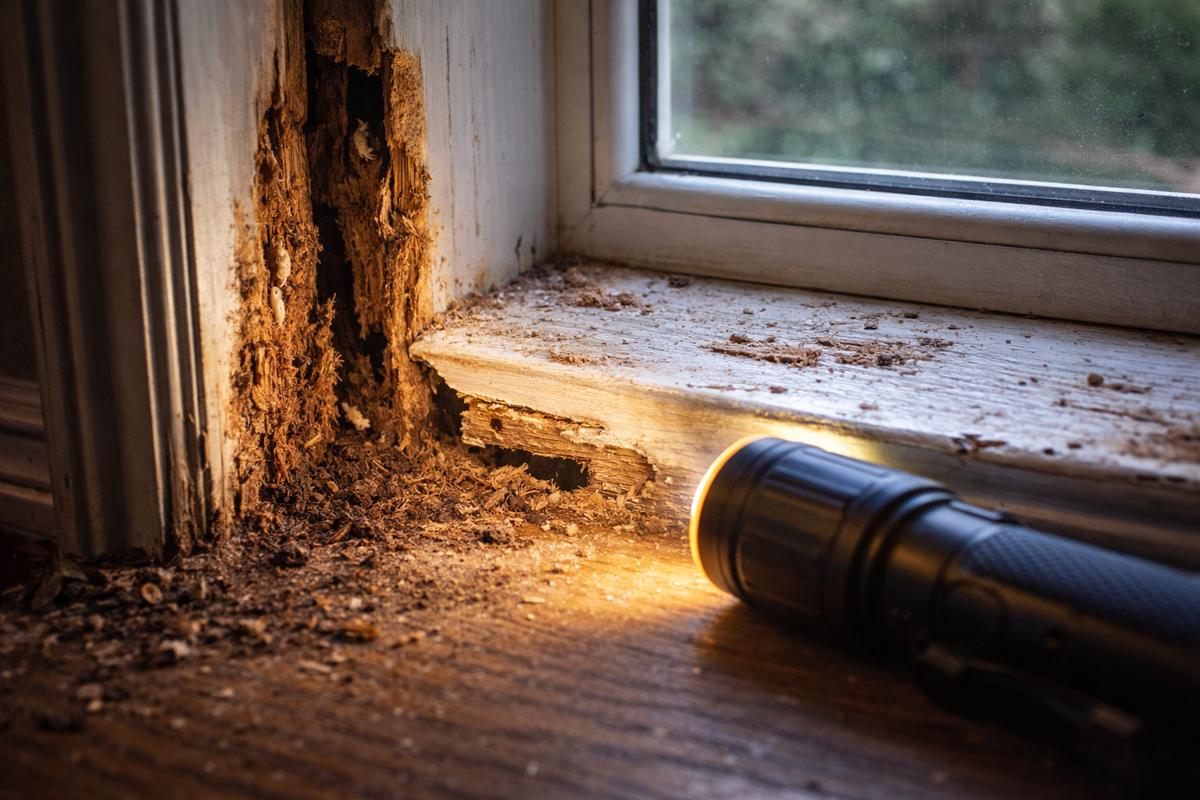
During the WDO inspection, the licensed inspector examines accessible interior and exterior areas of the home, including baseboards, window frames, attic spaces when visible, garages, crawl spaces, and exterior walls. They are looking for visible mud tubes, wood damage, discarded termite wings, evidence of past treatment, and moisture conditions that can attract infestation. The report will typically indicate whether there is active infestation, prior infestation with evidence of treatment, or conducive conditions such as wood-to-ground contact or excessive moisture near the foundation.
Why the WDO Inspection Matters in a VA Loan
For VA buyers in Florida, the WDO inspection is often a required component of the transaction. While a general home inspection is optional and the VA appraisal focuses on minimum property requirements and value, the WDO inspection provides documented verification that the property does not have active wood-destroying organisms at the time of closing. If active termites are identified, treatment must usually occur before the loan can move forward. In some cases, significant structural damage may require repair, depending on severity. This requirement is designed to protect the buyer and ensure the home remains structurally sound.
Active Infestation vs. Conducive Conditions
It is important for buyers to understand the difference between active infestation and conducive conditions. Active infestation means termites are currently present and must be treated before closing. Conducive conditions, on the other hand, refer to environmental factors that increase the likelihood of termites but do not necessarily indicate an active problem. Examples may include untreated wood in contact with soil, standing water near the structure, or high moisture levels in crawl spaces. Not every conducive condition automatically requires correction, but these findings often become part of negotiations between buyer and seller.
What Military Buyers Should Know in Fort Walton Beach
For out-of-state military families relocating to the Emerald Coast, the WDO inspection can sound intimidating at first. However, termite treatment and prevention are common parts of homeownership in Florida. Many properties carry transferable termite bonds, which provide ongoing monitoring and treatment coverage. The purpose of this inspection is not to create fear, but to provide verification and documentation that the property meets required standards prior to closing. When handled properly, the WDO inspection becomes another layer of protection rather than a barrier in the process.
The Four-Point Inspection: Why Insurance Requirements Matter for VA Buyers
What a Four-Point Inspection Is
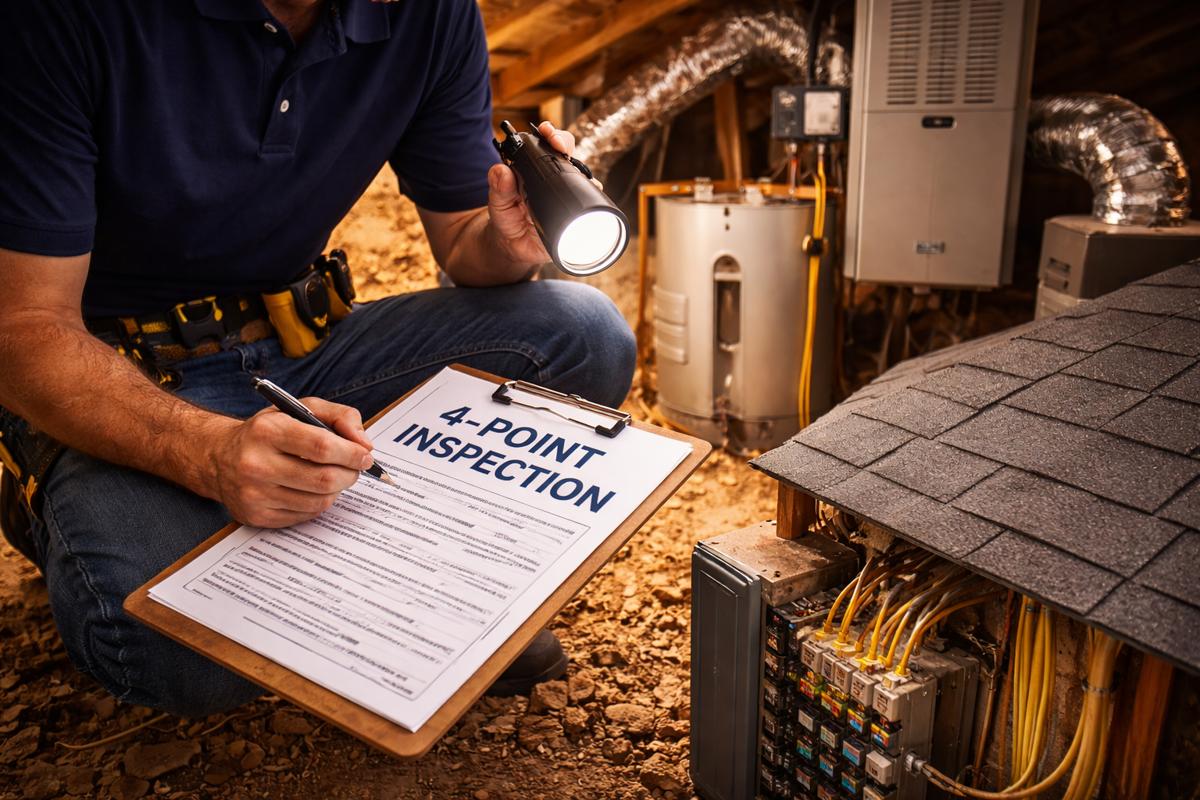
A four-point inspection is different from both the full home inspection and the WDO inspection. Rather than reviewing the entire property, this inspection focuses only on four major systems of the home: the roof, electrical system, plumbing system, and HVAC system. In Fort Walton Beach and throughout Florida, four-point inspections are typically requested by insurance companies rather than lenders. The purpose of this inspection is to help insurers determine the overall risk profile of a property before issuing or renewing a homeowners insurance policy.
Roof Condition and Remaining Life
The roof is one of the most heavily scrutinized components in a four-point inspection because of its impact on insurance eligibility. The inspector evaluates the roofing material, visible wear, signs of deterioration, and any evidence of active leaks. They will often note the estimated age of the roof and provide an opinion on its remaining useful life. In Florida’s coastal climate, where wind, rain, and storms are common, insurance carriers may decline coverage or require replacement if the roof is nearing the end of its lifespan. For VA buyers, this can directly affect the ability to secure insurance prior to closing, which is required before funding the loan.
Electrical System Evaluation
During the four-point inspection, the electrical panel and visible wiring are reviewed for safety and age. Certain outdated panel brands or older wiring types may raise concerns with insurance providers. Inspectors document the panel manufacturer, amperage rating, and any visible deficiencies such as double-tapped breakers or improper grounding. Unlike a full inspection, the goal here is not an in-depth evaluation but a risk assessment for insurability. If concerns are flagged, insurance carriers may require updates before issuing a policy.
Plumbing System and Water Heater
The plumbing portion of a four-point inspection focuses on identifying leaks, outdated piping materials, and the condition of the water heater. Insurance companies are particularly concerned about pipe types known for higher failure rates and water heaters that show signs of corrosion or advanced age. Because water damage claims are common in Florida, insurers evaluate whether the plumbing system appears well maintained and unlikely to cause significant loss.
HVAC System Condition
The heating and cooling system is reviewed for approximate age and visible condition. Inspectors confirm that both the outdoor condenser and indoor air handler are operational at the time of inspection. As with roofing, insurance companies often pay close attention to the remaining life expectancy of HVAC systems, especially in Fort Walton Beach where air conditioning runs most of the year. If a system appears significantly aged or poorly maintained, the insurer may request replacement or documentation of recent servicing.
Why the Four-Point Inspection Matters in a VA Transaction
While the VA itself does not require a four-point inspection, homeowners insurance is mandatory before closing on any VA loan. If an insurance carrier refuses coverage based on the four-point inspection findings, the transaction cannot proceed until acceptable coverage is secured. For VA buyers, this makes the four-point inspection indirectly significant. A home that passes appraisal and general inspection may still encounter delays if insurance requirements are not met. Understanding this distinction helps military buyers anticipate potential hurdles and avoid last-minute surprises.
What Buyers in Fort Walton Beach Should Keep in Mind
In older homes throughout Fort Walton Beach, it is common for one of the four major systems to draw additional scrutiny from insurers. This does not automatically mean the home is a poor purchase. It simply means buyers must evaluate age, maintenance history, and potential replacement costs as part of their overall decision. A knowledgeable real estate professional will often anticipate these insurance-related concerns early in the process and guide buyers accordingly. When understood in context, the four-point inspection becomes another tool for clarity rather than a complication.
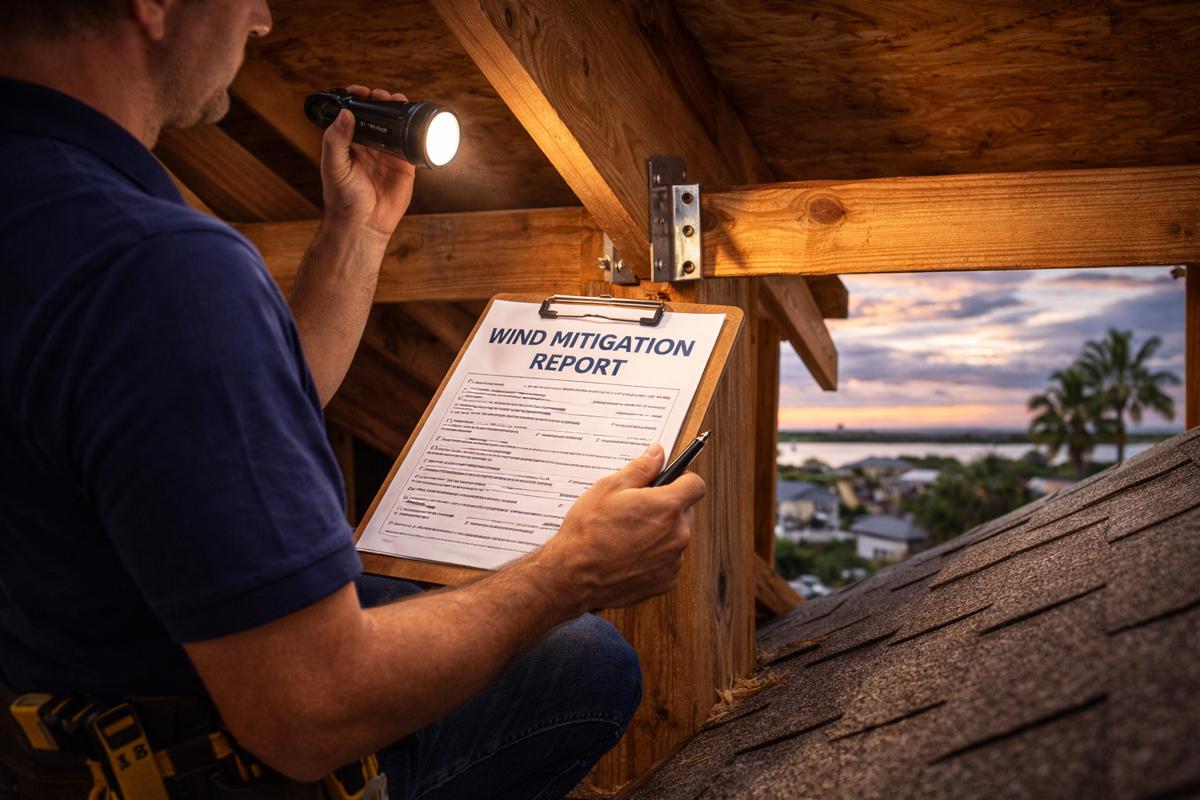
The Wind Mitigation Inspection: Why It Matters in Coastal Florida
What a Wind Mitigation Inspection Is
A wind mitigation inspection is designed to evaluate how well a home can withstand high winds and hurricane conditions. In Florida, especially in coastal markets like Fort Walton Beach, insurance companies use this report to determine potential premium discounts and overall risk. Unlike a general home inspection or even a four-point inspection, a wind mitigation report focuses specifically on construction features that reduce wind damage. For VA buyers, this inspection does not impact loan approval directly, but it can significantly affect insurance costs, which are a required component of closing.
Roof Shape and Structural Design
One of the first things evaluated during a wind mitigation inspection is the shape and design of the roof. Certain roof shapes, such as hip roofs, generally perform better in high-wind events compared to gable roofs because they have fewer flat vertical ends exposed to wind pressure. The inspector documents the roof design and structural layout, as these features directly influence how wind flows around the structure during storms.
Roof Covering and Installation Quality
The inspector also evaluates the type of roofing material and how it was installed. They review permits when available and verify whether the roof meets modern building code standards. In Florida, homes built or re-roofed after certain code updates may qualify for insurance discounts. The age of the roof itself does not guarantee discounts; instead, the focus is on compliance with wind-resistant construction practices.
Roof-to-Wall Attachments
Another key component of the wind mitigation inspection is how the roof structure is attached to the walls of the home. Inspectors look inside the attic space to determine whether the home has toe nails, clips, single wraps, or double wraps connecting the roof trusses to the wall framing. Stronger attachment methods reduce the likelihood of roof failure during hurricane-force winds, and insurance carriers often provide significant premium reductions when reinforced connections are present.
Opening Protection and Impact Resistance
Windows, doors, garage doors, and other openings are evaluated for impact resistance. The inspector verifies whether the home has hurricane-rated windows, storm shutters, or reinforced garage doors. In Fort Walton Beach, where tropical systems are a real possibility, having properly rated opening protection can lower insurance premiums and provide peace of mind during storm season.
Secondary Water Resistance
Some homes include an additional protective layer beneath the roofing material designed to prevent water intrusion if the top roofing layer fails. This feature, known as secondary water resistance, can also qualify for insurance discounts if properly documented. The inspector looks for evidence of this system in the attic when accessible.
Why Wind Mitigation Matters for VA Buyers
Although the VA loan itself does not require a wind mitigation inspection, homeowners insurance is mandatory before closing. In Florida, insurance premiums can vary significantly depending on wind mitigation features. A well-documented wind mitigation report can reduce insurance costs and improve long-term affordability. For military families relocating to Fort Walton Beach, understanding wind mitigation is particularly important because insurance costs are often higher in coastal areas.
For VA buyers, the wind mitigation inspection is less about qualifying for the loan and more about protecting long-term investment and controlling monthly expenses. It offers documentation of structural resilience and can provide meaningful savings over time.


© CENTURY 21 2023 - 2024. All rights reserved. CENTURY 21®, C21® and the CENTURY 21 Logo are registered service marks owned by Century 21 Real Estate LLC. Franchisee Legal Entity Name (not the dba) fully supports the principles of the Fair Housing Act and the Equal Opportunity Act. Each franchise is independently owned and operated. Any services or products provided by independently owned and operated franchisees are not provided by, affiliated with, or related to Century 21 Real Estate LLC nor any of its affiliated companies.
