
For Northwest Florida Homeowners
Can You Sell a Home With an Older Roof or HVAC? Yes. Here's How.
An aging roof, A/C, or water heater doesn't automatically stop a sale. With the right inspection, pricing, and plan, you likely have more options than you think, and you don't have to replace anything before we talk.
Helping sellers in Fort Walton BeachShow all cities I serve
- Shalimar
- Mary Esther
- Destin
- Niceville
- Navarre
- Crestview
- DeFuniak Springs
Can I sell my house with an old roof or AC in Florida?
Yes. Older systems are common, and plenty of homes sell with them. What matters most is the condition, whether the buyer can insure and finance the home, and how you handle it: replace, offer a credit, or price for it.
The first step isn't a new roof. It's getting the facts, like a 4-point inspection, service records, and an insurance quote, so you make decisions from real numbers instead of fear.
You're Not the Only One Facing This
Older Doesn't Mean Unsellable
Many Homes Here Have Systems Over 15 Years Old.
It's normal to feel unsure when the big systems aren't brand new. Age alone doesn't decide whether a home sells.
What matters is knowing your options and having a clear plan before you spend money you might not need to spend. For example, 431 Sandy Ridge Circle needed a new roof and an electrical panel upgrade before closing, and it still went under contract in 8 days at its full list price. That kind of plan is what I bring as a Fort Walton Beach listing agent.
Insurance is a factor, not a wall.
Carriers look closely at roof age and condition, but there are carriers and solutions available in many cases.
Function often matters more than age.
A 2009 A/C that runs efficiently may not need replacing yet. Condition and inspection reports carry real weight.
Buyers expect to talk about it.
Most buyers already plan to discuss major systems during the inspection period. It's a normal part of the process.
You don't always pay upfront.
Many sellers handle updates through a credit or an agreement after going under contract, paid from proceeds at closing.
Your Options at a Glance
Six Ways to Handle an Aging System
There's no one right answer. Tap a card to see how each one works.
How I Approach It
Facts First, Then the Plan
These are normal homes, normal situations, and normal conversations. Here's how I help sellers work through them.
 01
Step One
Documentation, Not Assumptions
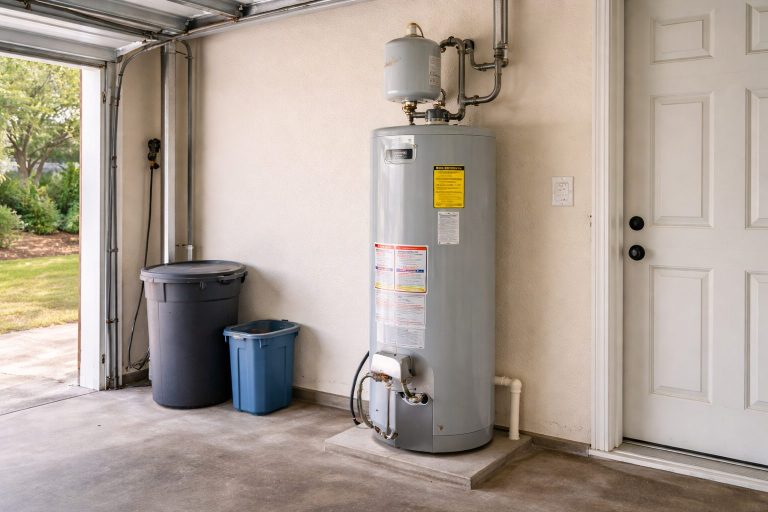
If a roof, A/C, or water heater is older, the first step isn't replacement. It's clarity.
Service records, maintenance receipts, contractor visits, and inspection reports all tell a story. When I upload them to the MLS, buyers see responsibility, not neglect. A maintained system feels very different from an ignored one.
 02
Step Two
Inspection Before Emotion
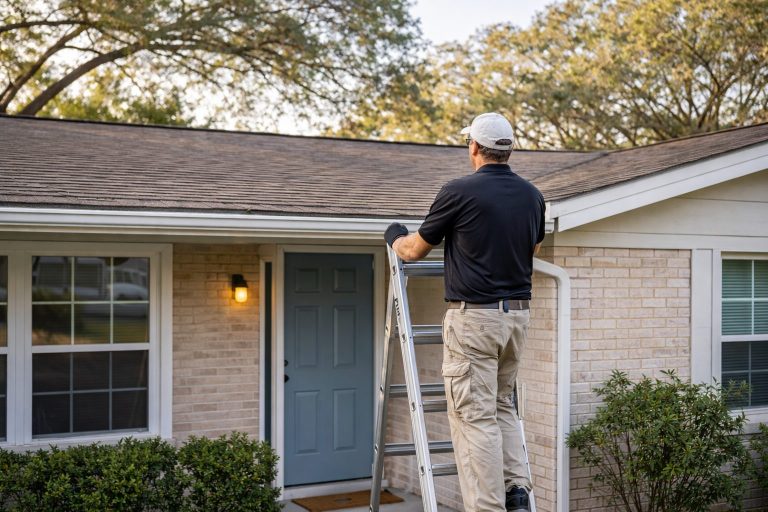
Before any expensive decision, I recommend gathering information first. A 4-point inspection can confirm whether a system is working and insurable.
That shifts the conversation from fear to facts, and facts create leverage. Replacing something too early can cost more than necessary. See my seller guide →
 03
Step Three
Strategy Over Reaction
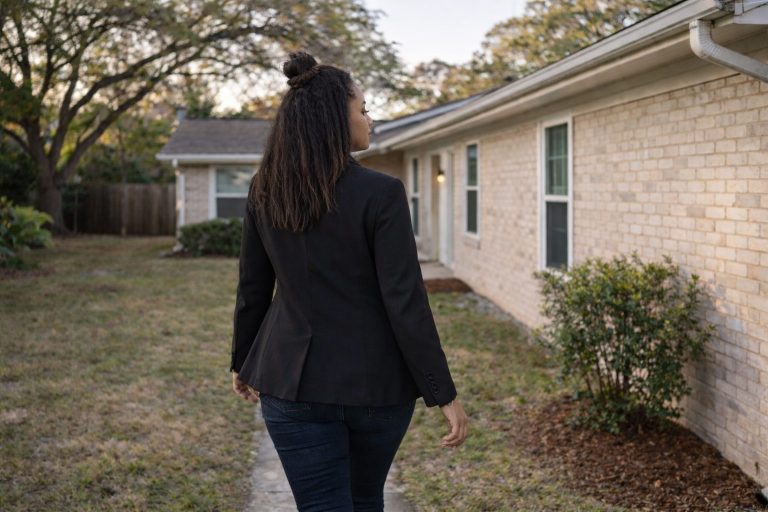
When a seller tells me their roof is 18 years old, my first reaction isn't "replace it." I ask:
- Who is the likely buyer?
- What loan type will they use?
- What is the market doing right now?
Sometimes we replace. Sometimes we credit. Sometimes we price for it. It depends on the full picture.
 04
Step Four
Positioning Matters
When a seller hasn't had time for upgrades, like a military family relocating quickly, we lead with strengths: layout, location, yard space, and updates already done.
Buyers don't buy because every system is brand new. They buy because the overall value makes sense.
 05
Step Five
Small Repairs, Big Confidence
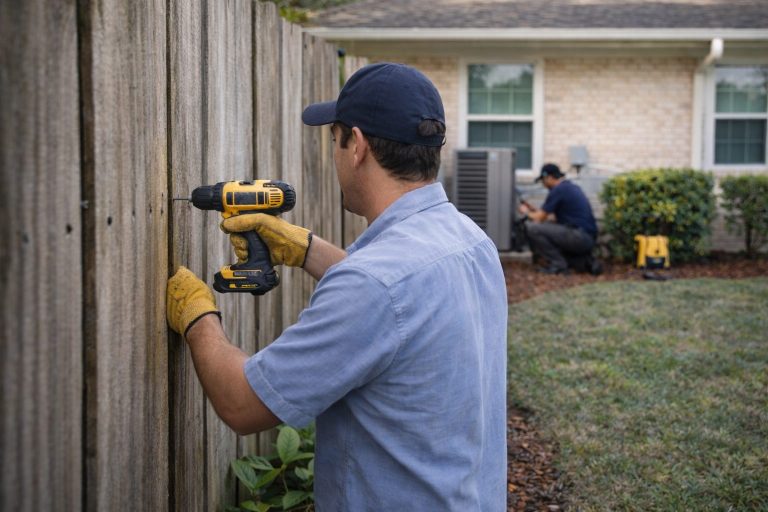
You don't always need to replace major systems. Tightening a loose fence board, refreshing landscaping, servicing the A/C, or replacing a minor plumbing valve can change how buyers see the whole home.
Presentation and care often reduce negotiation pressure.
 06
Step Six
Negotiation Is Where Calm Wins
When expectations are set from the start through disclosures, documentation, and clear positioning, inspection talks stay steady.
The goal isn't to avoid negotiation. It's to control it. Why sellers choose me →
Real Situations I've Seen
What This Has Looked Like for Other Sellers
Each of these sold without unnecessary replacements or panic.
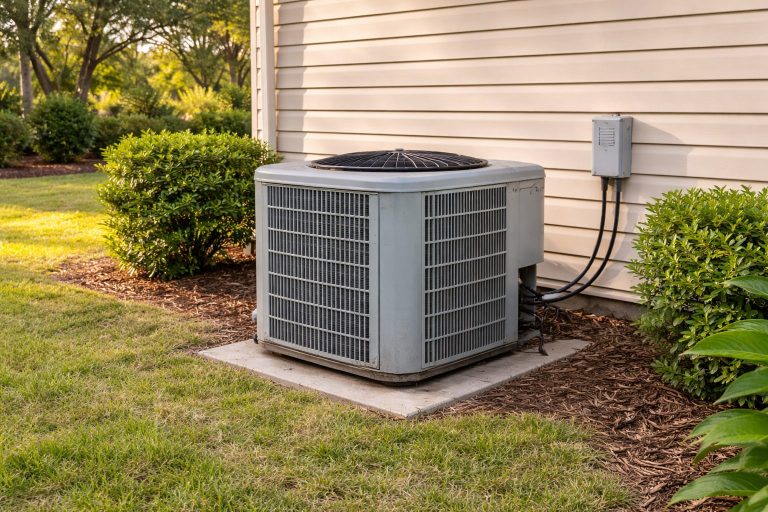
Older A/C
2009 HVAC: Maintained, Not Replaced
The system was older but serviced every year. We uploaded the maintenance records to the MLS, and the seller offered a home warranty. The buyer moved forward without asking for a replacement.
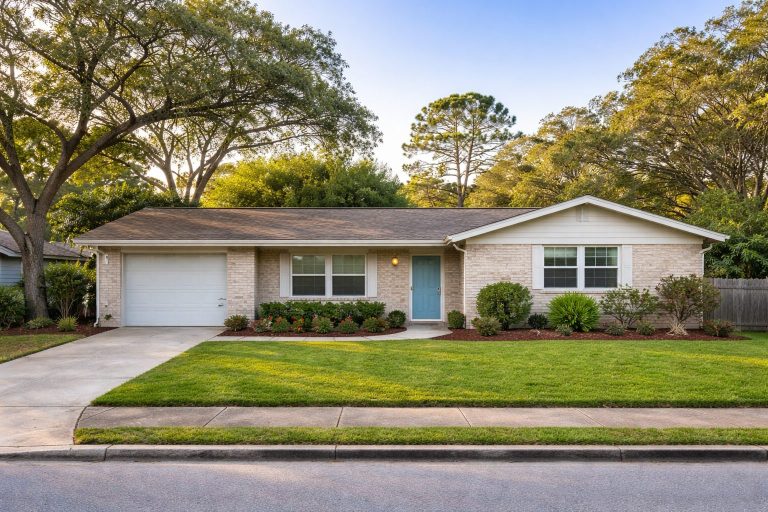
15-Year-Old Roof
Inspection Before Pricing
Instead of replacing the roof right away, we ordered a 4-point inspection first. The roof met insurability guidelines, we priced accordingly, and it sold without a full replacement.
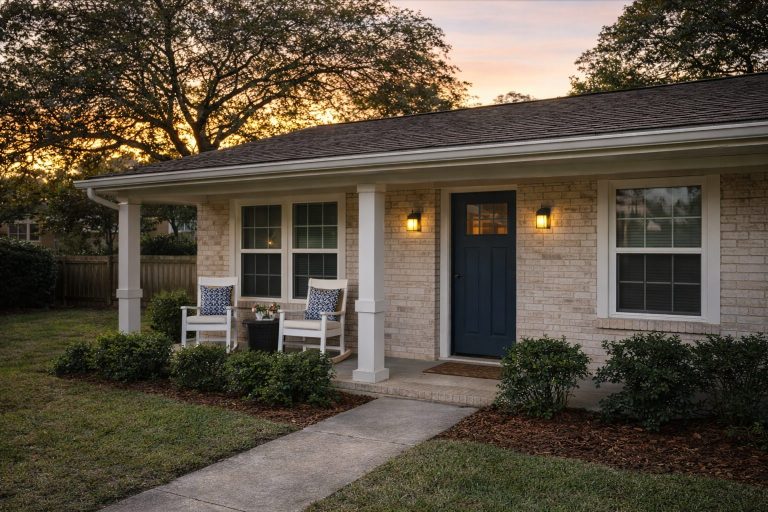
Military Relocation
No Time for Upgrades
A relocating family didn't have time for big projects. We focused on curb appeal, layout, and pricing. A few cosmetic fixes made a bigger impact than replacing major systems would have.
Protect Your Net, Stay Flexible
15 Smart Ways to Use Your Proceeds at Closing
Planning ahead for how proceeds can be used lets you protect your bottom line while staying flexible during inspections and negotiations. Tap a group.
- Roof replacement before closingWith Florida's insurance climate, replacing an aging roof after contract can preserve value and improve insurability.
- HVAC replacement after inspectionIf an older A/C becomes a sticking point, replacing it from proceeds may protect the overall sales price.
- Water heater upgradeA small upgrade that removes hesitation for buyers worried about an immediate replacement.
- Electrical or plumbing correctionsFixing items flagged on a 4-point inspection can prevent bigger concessions later.
- Minor exterior repairsFence boards, fascia, trim, and small cosmetic fixes often build more confidence than major replacements.
- Closing cost contributionInstead of lowering the price, some sellers put proceeds toward the buyer's closing costs to keep the contract price strong.
- Repair credit instead of replacementA defined credit lets buyers choose their own contractor while protecting your timeline.
- Home warranty coverageA one-year warranty can reassure buyers purchasing a home with older systems.
- Rate buydown contributionIn some markets, helping buy down the buyer's interest rate can strengthen your offer terms.
- Escrow holdbackWhen timing is tight and the lender allows it, funds can be held in escrow for repairs after closing.
- Mortgage payoff and liensA clean payoff of existing loans and liens keeps your bottom line clear at closing.
- Staging or pre-listing prepSmart preparation can raise perceived value before your home even hits the market.
- Moving and relocation costsEspecially for military sellers leaving Eglin or Hurlburt, proceeds often fund the next move.
- Rent-back or temporary housingSome sellers negotiate a short stay after closing while they secure the next home.
- Tax and financial planningTalking with a tax professional before closing can help you keep more of your proceeds.
Good Questions
Older Roof & HVAC FAQ
Do I have to replace my roof before selling my house in Florida?
No. Many homes sell with older roofs. You can replace it, offer the buyer a credit, replace it after an accepted offer using proceeds at closing, or price the home with the roof's age in mind.
A pre-listing 4-point inspection and an insurance quote will tell us which path makes the most sense before you spend anything.
Can a buyer get homeowners insurance on a house with an old roof?
Often, yes. Florida insurance carriers look closely at roof age and condition, and many want an inspection showing the roof has useful life left. Some carriers will write the policy and others won't.
That's why I like to get an insurance quote early, so we know what buyers will face before they ask.
Should I replace my AC before selling my house?
Usually not, if it's working. Have it serviced, keep the records, and share them with buyers. A home warranty or a repair credit can also ease a buyer's mind.
If the system has failed or a buyer's lender requires it to work, replacing it from your proceeds at closing may be the better move.
What is a 4-point inspection, and do I need one before selling?
A 4-point inspection looks at four systems: the roof, electrical, plumbing, and HVAC. Florida insurers often require one for older homes.
You don't have to order one before listing, but it's often under $200 and shows exactly where you stand before buyers find out. That removes surprises during negotiations.
Is it better to give a credit or replace the roof myself?
It depends on the buyer and the loan. A credit is simpler for you and lets the buyer choose their contractor, but lenders limit how credits can be used.
If the buyer's insurance or loan needs a newer roof, replacing it before closing may keep the sale on track. I'll help you compare both against your net.
Can buyers use FHA or VA loans on a home with an older roof?
Yes, as long as the roof and major systems are in working condition. The appraiser checks for leaks, damage, and remaining life and can require repairs before closing.
Knowing the condition up front helps us decide which buyers and loan types fit your home best.
Can I sell my house as-is with an older roof or HVAC?
Yes. You can list as-is and still let buyers inspect. You still need to disclose known problems, and the buyer's insurance and loan will still matter. How selling as-is works →
Every Situation Is Different
Keep Exploring
Other Selling Situations
Next Steps
Before You Replace Anything
Let's Talk It Through First
Most aging-system situations are manageable with the right plan. Tell me what you're working with, and we'll map out the smartest path before you spend a dollar.


© CENTURY 21 2025 - 2026. All rights reserved. CENTURY 21®, C21® and the CENTURY 21 Logo are registered service marks owned by Century 21 Real Estate LLC. Franchisee Legal Entity Name (not the dba) fully supports the principles of the Fair Housing Act and the Equal Opportunity Act. Each franchise is independently owned and operated. Any services or products provided by independently owned and operated franchisees are not provided by, affiliated with, or related to Century 21 Real Estate LLC nor any of its affiliated companies.
